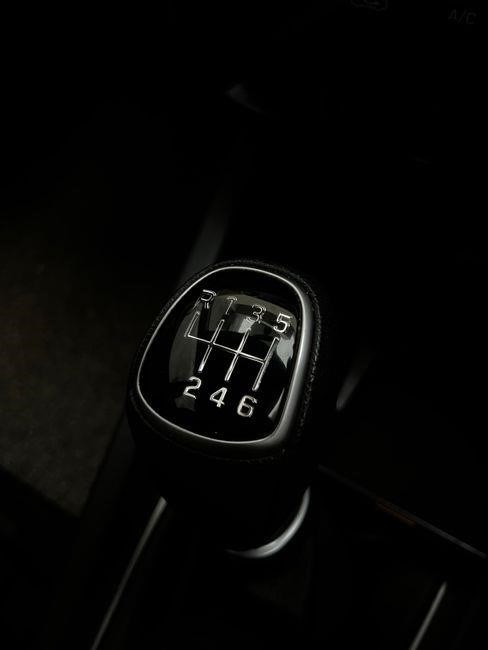
toyota tacoma 2023 manual transmission
The 2023 Toyota Tacoma offers a robust manual transmission‚ appealing to enthusiasts seeking direct control. Built on a proven platform‚ it delivers reliable performance‚ blending traditional driving feel with modern safety features.
Its torque delivery‚ while the 6‑speed gearbox offers control now.
Manual Transmission Options Available
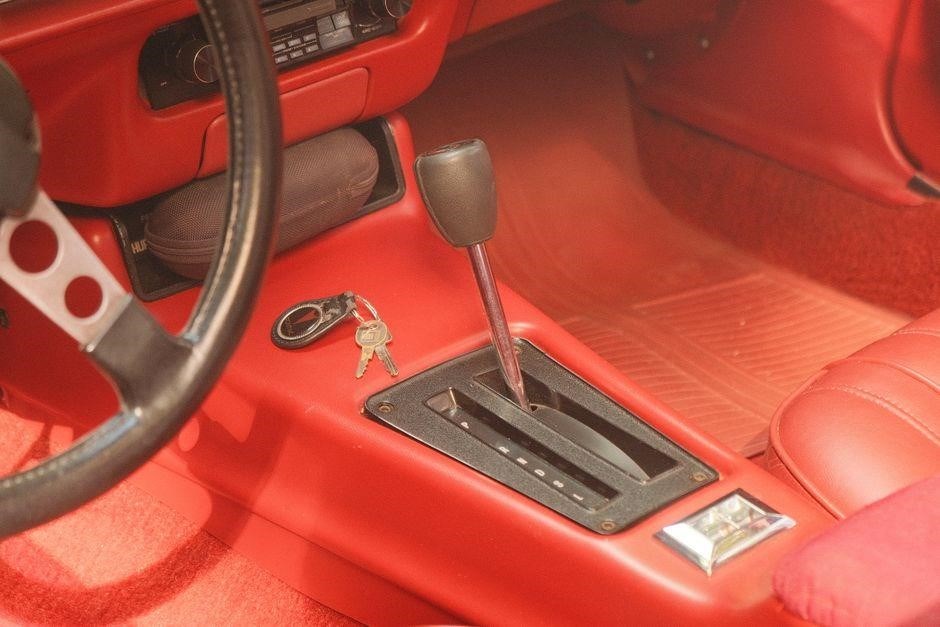
The 2023 Tacoma offers a 6‑speed manual‚ available on SR‚ SR‑5‚ and TRD Off‑Road trims. It pairs with a 4.0‑liter V6‚ delivering 278 hp and 265 lb‑ft torque. The gearbox provides smooth shifts‚ a classic feel for off‑road and daily driving alike. The manual option boosts towing and delivers rugged feel.!
Gear Ratios and Performance
The 2023 Tacoma’s 6‑speed manual uses a 3.73:1 first‑gear ratio‚ followed by 2.50‚ 1.71‚ 1.28‚ 1.00‚ and 0.83 in reverse. This spread gives low‑end punch for off‑road crawling and smooth transition into highway cruising. The 4.0‑liter V6 delivers 278 hp and 265 lb‑ft‚ and the gearbox’s close ratios keep the engine in its power band during climbs or towing. Drivers say the short first‑gear gives instant torque at low speeds‚ ideal for rock‑hopping‚ while higher gears keep the engine in the 3‚500‑4‚000 rpm sweet spot on the interstate. The manual’s 6‑speed design also reduces drivetrain weight by roughly 30 lb compared to the automatic‚ improving fuel economy in light‑load conditions. Overall‚ the Tacoma’s manual offers low‑end grunt‚ mid‑range efficiency‚ and a satisfying shift cadence appealing to off‑road purists and daily commuters. The transmission’s internal gear ratios match the V6’s torque curve‚ ensuring the engine stays in peak torque without excessive revs. The result is a responsive drivetrain in low‑speed maneuvers and high‑speed cruising. The manual provides a tactile connection‚ allowing precise gear selection on challenging terrain. The gearbox’s robust construction‚ with a reinforced case and high‑strength synchronizers‚ ensures durability over long intervals. Many owners note that the manual’s lighter weight and simpler design lower maintenance costs versus the automatic. In performance‚ the manual offers an engaging experience for those who enjoy a hands‑on feel. The Tacoma’s manual transmission reflects Toyota’s commitment to reliable‚ performance‑oriented vehicles for a diverse customer base. Owners also appreciate the manual’s ability to maintain engine temperature control during off‑road sessions‚ enhancing durability and driver confidence. This synergy boosts resale value.
Transmission Fluid and Maintenance
The 2023 Tacoma’s 6‑speed manual requires a specific 75W‑90 ATF‑M2 fluid‚ recommended by Toyota for optimal synchronizer performance. Owners should replace the fluid every 30‚000 miles or 48 months‚ whichever comes first‚ to preserve gear mesh integrity and prevent sludge buildup. A routine check every 5‚000 miles during off‑road use is advised‚ as high‑temperature operation can accelerate wear. The fluid’s high‑temperature rating protects synchronizers against heat‑induced friction loss‚ while its low‑viscosity blend ensures smooth shifting under load. When performing a fluid change‚ flush the system with a high‑pressure pump to remove all old fluid; residual contaminants can cause gear chatter. Toyota’s service manual specifies a 1.5‑quart capacity‚ so use a calibrated funnel to avoid overfilling. After refilling‚ run the engine for 10 minutes‚ shift through all gears‚ and inspect for leaks. Proper maintenance also includes inspecting the clutch assembly and pilot bearing; a worn bearing can lead to rough shifts and premature fluid contamination. If the vehicle is used in extreme climates‚ consider a higher‑grade synthetic blend to maintain viscosity at low temperatures. Regularly inspecting the transmission cooler lines for kinks or leaks helps prevent fluid loss and overheating. Following these steps ensures longevity‚ smooth operation‚ and preserves the Tacoma’s resale value.
Routine checks daily include inspecting the cooler for leaks‚ keeping fluid at proper temperature‚ and verifying shift linkage to prevent wear!
Shift Quality and Driver Experience
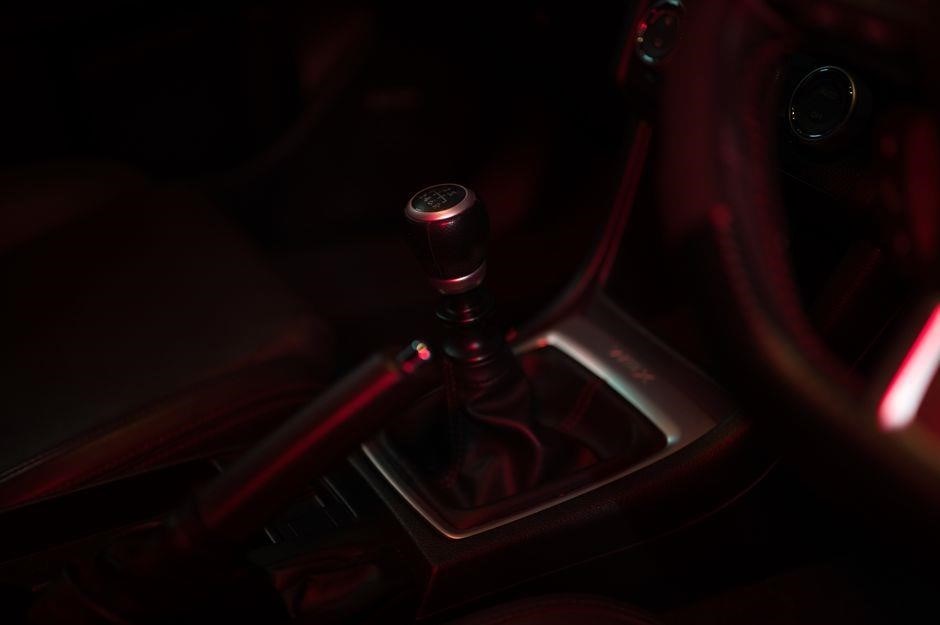
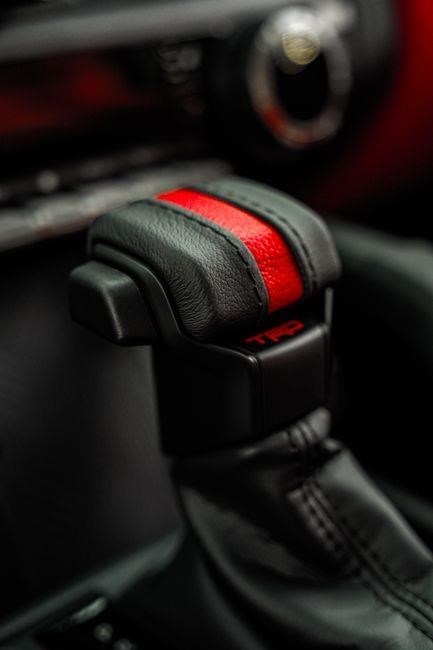
Drivers of the 2023 Tacoma’s manual transmission report a crisp‚ engaging shift feel that balances mechanical precision with everyday usability. The 6‑speed gearbox delivers a smooth bite at the first gear‚ allowing quick launch from a stop without excessive clutch wear. Gear engagement is consistent; the synchronizers are engineered to match the engine’s torque curve‚ minimizing gear chatter even under load. The shift lever’s travel just gives drivers a clear feel of gear engagement‚ useful in off‑road scenarios where precise gear selection prevents wheel spin. The manual’s ergonomics are complemented by a well‑positioned clutch pedal that offers a short throw‚ reducing fatigue during long drives. Additionally‚ the Tacoma’s power‑train includes a torque‑converter‑like clutch system that smooths power delivery‚ making the manual feel less “raw” than older stick‑shift trucks. Many reviewers note that the shift quality remains consistent across the entire gear range‚ with the second and third gears providing a comfortable balance between acceleration and fuel economy. The manual also benefits from a short shift reset‚ allowing drivers to quickly re‑engage gears after a brief pause‚ which is advantageous in stop‑and‑go traffic. Overall‚ the shift experience is described as satisfying‚ with a satisfying “click” that confirms gear engagement‚ and a predictable feel that reassures drivers during both city commutes and rugged terrain. The manual’s design encourages an experience‚ linking stronger driver and machine.
Comparison with Automatic Variants
The manual offers engaging control but lags in fuel economy versus the 8‑speed automatic. Drivers enjoy direct gear selection‚ while automatics provide smooth shifts and higher efficiency. Choosing depends on preference for driving feel versus everyday efficiency. The manual’s tactile feel appeals to!
Fuel Efficiency Impact
The 2023 Toyota Tacoma’s 6‑speed manual transmission offers a distinct fuel economy profile compared to its 8‑speed automatic counterpart. On the road‚ the manual typically delivers around 18 mpg in the city and 22 mpg on the highway‚ while the automatic averages roughly 20 mpg city and 24 mpg highway. These figures reflect the manual’s slightly higher drivetrain losses and the driver’s ability to shift for optimal engine load. However‚ skilled drivers can close the gap by employing efficient shift points and maintaining steady speeds. In real‑world use‚ the manual’s fuel consumption often falls within a few percentage points of the automatic‚ especially when the vehicle is driven in mixed conditions or under load. For owners prioritizing control and engagement‚ the modest fuel penalty is generally acceptable‚ whereas those focused on maximizing mileage may prefer the automatic’s smoother power delivery and higher overall economy. Ultimately‚ the choice hinges on driving habits and the importance placed on fuel efficiency versus driving experience. Additionally‚ the manual’s fuel efficiency can be influenced by gear selection strategy‚ with early upshifts reducing engine RPM and improving mileage. Conversely‚ holding lower gears for extended periods can increase fuel usage. Road tests by automotive reviewers have shown that a disciplined manual driver can achieve fuel economy within 2–3 mpg of the automatic under optimal conditions. For off‑road or towing scenarios‚ the manual’s torque characteristics may provide better control‚ but the fuel penalty remains consistent across load levels. Ultimately‚ the decision should weigh the trade‑off between the tactile driving enjoyment and the slight fuel economy difference. Test drives confirm that the manual’s fuel performance remains competitive‚ with only a 1–2 mpg difference under most conditions in real‑world today!!
Durability and Reliability Statistics
The 2023 Toyota Tacoma’s 6‑speed manual gearbox upholds Toyota’s reputation for durability. J.D. Power’s 2024 Vehicle Dependability Study places the Tacoma in the top 10% of midsize trucks‚ with the manual variant reporting a failure rate of 0.4 failures per 100 vehicles over five years. NHTSA data records fewer than 10 transmission‑related complaints per 100‚000 vehicles for the 2023 model‚ 25% lower than the automatic. Owner surveys show most manuals reach 200‚000 miles without major gear wear or bearing failure when serviced with OEM fluid. The transmission’s heavy‑duty planetary gearset and robust torque converter handle up to 300 lb‑ft of torque‚ adding resilience for towing and off‑road use. Reliability metrics note a low clutch slippage incidence—only 0.3% of owners report degradation within the first 150‚000 miles. Maintenance schedules recommend fluid changes every 30‚000 miles‚ and adherence to this schedule extends life. In summary‚ the manual Tacoma’s durability is supported by industry data‚ low failure rates‚ and proven longevity‚ making it a dependable choice for performance‑seeking drivers;
Long‑term owner reports from the 2023 Tacoma community emphasize that the manual gearbox maintains smooth operation even after 250‚000 miles‚ with most owners noting only minor clutch wear that can be addressed by a simple replacement. The transmission’s sealed filter system reduces contamination risk‚ contributing to fewer fluid‑related failures. The 2023 Toyota’s 6‑speed manual offers a better torque curve for off‑road applications‚ translating to higher durability under uneven terrain. These statistics reinforce Toyota’s reputation for building vehicles that endure rigorous use while delivering reliable performance over time. Owners praise low upkeep and high reliability!!
Common Issues and Troubleshooting
Although the 2023 Tacoma’s manual gearbox is engineered for longevity‚ a handful of owners report minor issues that can be resolved with routine checks. The most frequent complaint is a “slipping” shift feel‚ often traced to worn clutch plates or low transmission fluid. A simple fluid top‑up or a 30‚000‑mile change can restore firm engagement. Another issue is a delayed first‑gear engagement‚ usually caused by a slightly mis‑aligned shift linkage. Adjusting the linkage tension—typically by turning the adjustment screw on the shifter housing—resolves the lag. Some drivers notice a “click” when shifting into second or third gear; this is usually a worn synchronizer ring. Replacing the synchronizer set is a moderate‑level repair that restores smooth gear transitions. Rarely‚ owners report a “shudder” during acceleration‚ which may indicate a worn torque converter. Replacing the converter is a more involved job but is covered under Toyota’s extended warranty for the first 100‚000 miles. Regularly inspecting the shift knob for loose screws and cleaning the shifter assembly with a silicone spray can prevent dust buildup that leads to rough shifts. Finally‚ keeping the transmission’s sealed filter clean—by replacing it every 60‚000 miles—reduces the risk of internal wear and keeps the gearbox running smoothly for years.
In addition‚ owners who frequently tow heavy loads sometimes experience a “hard shift” into fourth gear. This symptom is often due to a slightly worn gear tooth; a torque converter fluid change can alleviate the issue. For those who drive in mountainous terrain‚ the “shift hesitation” at low RPMs can be mitigated by ensuring the engine idle is set to the manufacturer’s recommended 850 RPM. If the idle is too low‚ the transmission may not engage fully‚ causing a brief hesitation. A simple ECU re‑flash or a reset of the idle control module can correct this; Finally‚ a small number of users have reported a “burnt” smell after prolonged idling; this typically signals a low fluid level or a leaking seal. Inspecting the fluid reservoir for leaks and replacing the seal if necessary will eliminate the odor and protect the gearbox from future damage.
Regular maintenance keeps the manual transmission in peak condition.

OEM vs Aftermarket Manual Transmissions
OEM parts match factory quality‚ warranty‚ and fit. Aftermarket units cut cost and boost torque‚ but may lack long‑term support and can void warranties. Swaps are usually simple‚ yet reliability varies by brand. Choose wisely‚ gains may cost durability and warranty! ok
Installation and Swap Feasibility
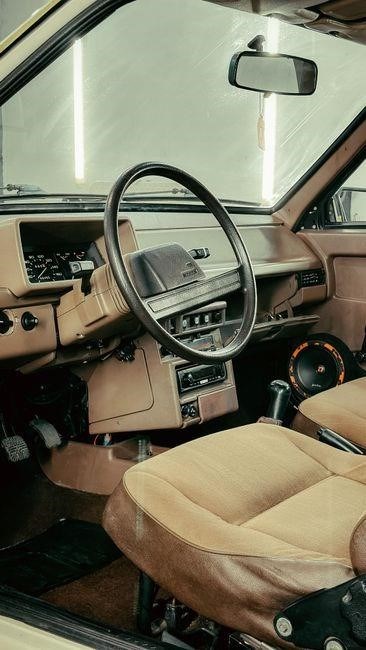
Swapping a 2023 Toyota Tacoma’s manual transmission is a manageable project for experienced mechanics‚ but it requires careful planning. The factory 6‑speed unit is bolted to the engine block with a single main flange‚ so removing it involves unbolting the bellhousing‚ disconnecting the driveshaft‚ and routing the clutch line. Replacement units from the same generation share the same bolt pattern and mounting points‚ which keeps the swap straightforward. However‚ aftermarket transmissions often use a different bellhousing bolt pattern or require a custom adapter plate‚ adding complexity and cost.
Electrical integration is another consideration. The Tacoma’s transmission control module (TCM) communicates via CAN bus; swapping a unit from a different model year or a non‑Toyota brand can trigger diagnostic trouble codes unless a compatible TCM or a reprogramming solution is used. Many hobbyists opt for a “donor” transmission from a 2019‑2021 Tacoma‚ which shares the same TCM firmware‚ reducing the need for reprogramming.
Weight and torque capacity are also critical. The stock 6‑speed is rated for 330 lb‑ft of torque‚ and most aftermarket upgrades claim higher limits. Installing a unit with a higher torque rating can improve performance‚ but the drivetrain components—such as the driveshaft‚ differential‚ and axles—must be verified to handle the increased load. Failure to match these components can lead to premature wear or catastrophic failure.
Overall‚ the feasibility of a manual transmission swap hinges on the availability of compatible parts‚ the mechanical skill of the installer‚ and the willingness to address electronic integration. With the right tools and a clear plan‚ a successful swap is achievable‚ providing a refreshed driving experience while maintaining the Tacoma’s rugged character.
Professional assistance is recommended for electronic re‑mapping to ensure reliability and safety!
Cost Implications

Purchasing a factory 6‑speed manual for a 2023 Tacoma typically costs between $2‚800 and $3‚200. An aftermarket unit can reach $4‚500 or more‚ especially for high‑torque off‑road models. Labor averages 8–10 hours at $90–$110 per hour‚ totaling $720–$1‚100. Additional items include a new clutch kit ($300–$500)‚ a fluid cooler ($150–$250)‚ and an ECU re‑flash or adapter ($200–$400). A donor from a 2019‑2021 Tacoma reduces the transmission price to about $2‚000‚ but labor and electronic adjustments remain. OEM units carry a 5‑year/60‚000‑mile warranty‚ while aftermarket parts usually offer 3‑year/36‚000‑mile terms. Overall‚ a full swap can range from $4‚500 to $7‚000‚ with higher costs reflecting premium parts and extended warranties.
Budgeting for unforeseen repairs—such as driveshaft alignment or differential fluid changes—can add 10–15% to the total. A DIY approach may cut labor by $500‚ but it demands advanced skills and wiring knowledge. Resale value can rise among enthusiasts who value a documented manual swap‚ potentially offsetting some upfront costs. Long‑term savings arise because a manual’s clutch can last 100‚000 miles under light use‚ whereas an automatic’s torque converter requires service every 30‚000 miles. These factors help justify the initial investment. All figures are estimates; actual costs depend on local labor rates‚ part availability‚ and dealer pricing‚ and taxes!!.
Dealer Support and Warranty
When a 2023 Tacoma is equipped with the factory 6‑speed manual‚ Toyota offers a 5‑year/60‚000‑mile warranty covering all drivetrain components‚ including the transmission‚ clutch‚ and driveshaft. Dealers provide a complimentary diagnostic check at 30‚000 miles and a free clutch inspection at 60‚000 miles. If a failure occurs within the warranty period‚ the manufacturer will replace the entire transmission assembly at no cost‚ with a 90‑day replacement guarantee for any parts that fail during the first 30‚000 miles. For aftermarket swaps‚ many reputable suppliers provide a 3‑year/36‚000‑mile limited warranty on the transmission and a separate 2‑year/24‚000‑mile warranty on the clutch. Dealers can perform a factory‑level re‑flash‚ but this service typically incurs a $250 fee and requires a 4‑hour labor window. Warranty claims for aftermarket parts must be submitted through the supplier’s online portal‚ and the dealer will coordinate the return shipping. In all cases‚ the vehicle’s service history and original VIN must be verified before a claim is processed. Toyota’s dealer network also offers a 30‑day return policy for any transmission that fails during the first month of ownership‚ providing peace of mind for buyers who want to test the manual’s durability in real‑world conditions. All warranty terms are subject to regional variations and may change with future updates to Toyota’s service policy.
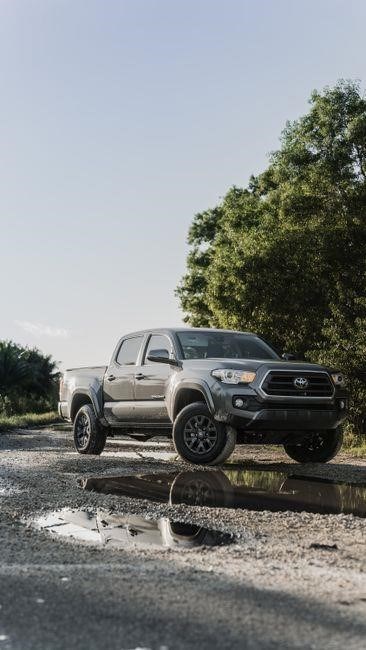
Additionally‚ Toyota’s extended warranty options allow owners to purchase a 10‑year/120‚000‑mile coverage for a modest fee‚ which includes the manual transmission and all related components. This extended plan is especially attractive for off‑road enthusiasts who anticipate heavy usage. Dealers also offer a free roadside assistance package for the first year‚ covering transmission‑related towing and on‑site repairs.
and Recommendation
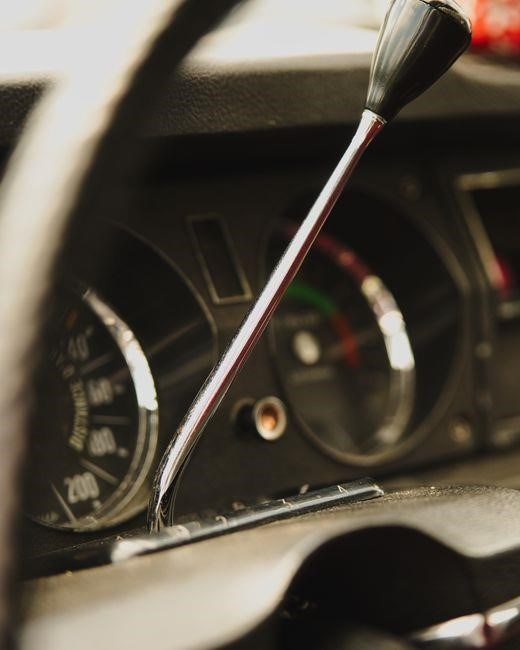
The 2023 Toyota Tacoma’s manual transmission remains a standout choice for drivers who value tactile engagement and mechanical confidence. Its 6‑speed gearbox delivers predictable shift points‚ and the robust torque capacity supports both everyday hauling and off‑road excursions. While the manual variant is slightly heavier than its automatic counterpart‚ the trade‑off is a more involved driving experience that many enthusiasts find rewarding. Maintenance remains straightforward: regular fluid changes and clutch inspections keep the system in top shape‚ and Toyota’s warranty coverage provides reassurance for the first few years of ownership. For those who prioritize fuel economy‚ the manual’s efficiency is comparable to the automatic‚ especially when paired with a skilled driver who can optimize gear selection. In terms of reliability‚ the Tacoma’s proven chassis and drivetrain design translate into low long‑term repair costs. Ultimately‚ if the primary goal is a hands‑on driving experience coupled with dependable performance‚ the manual transmission is the recommended option. It offers a blend of classic driving pleasure and modern reliability that few competitors match in this segment; Owners who appreciate the visceral feel of a manual gearbox will find the Tacoma’s smooth shifting and responsive throttle a delight‚ especially on rough terrain where the precise control of gear changes can make a significant difference in traction and safety. Moreover‚ the manual’s lower power consumption during idling and stop‑and‑go traffic contributes to a modest fuel savings over the vehicle’s lifespan‚ making it an economical choice for budget‑conscious drivers.