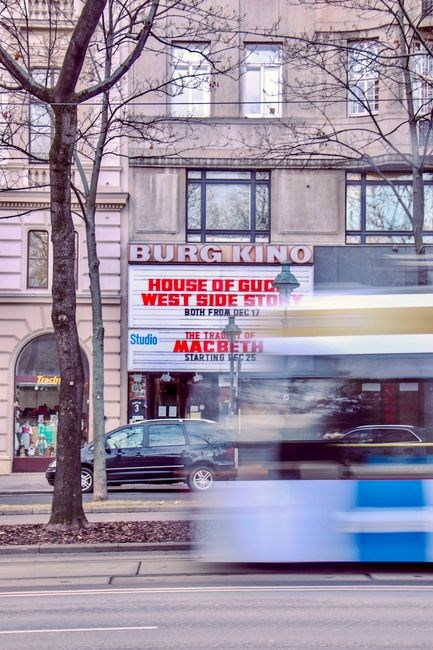
macbeth act 3 reading guide
Act 3 Overview
Act 3 intensifies the plot as Macbeth consolidates power, faces threats from Banquo, and grapples with guilt. The witches’ prophecies deepen his paranoia, while Lady Macbeth’s influence wanes. The scene sets the stage for the betrayal and the unraveling deep sad of their reign. The stakes rise as Macbeth wrestles with fate, setting dire tone.!!!!!!
Key Plot Points
Act 3 of Shakespeare’s Macbeth marks a turning point in the tragedy, as the king’s ambition turns into a relentless pursuit of security and dominance. The act opens with a council of nobles, where Macbeth, now crowned, announces his intention to eliminate any threat to his throne. The witches’ prophecies, delivered in a cryptic and ominous tone, are interpreted by Macbeth as a reassurance that Banquo’s descendants will never rule, prompting him to order Banquo’s murder. The scene then shifts to a banquet, where Macbeth’s guilt and paranoia surface in a chilling soliloquy that reveals his growing isolation. Lady Macbeth, meanwhile, appears more composed, yet her earlier ruthlessness is hinted at through her subtle manipulation of the king’s thoughts. The act concludes with a dramatic confrontation between Macbeth and the ghost of Banquo, a haunting reminder of the consequences of treachery. The tension escalates as the king’s inner turmoil is mirrored by the external chaos of Scotland, foreshadowing the inevitable downfall that will follow. The atmosphere thickens as the Scottish nobles grow wary of Macbeth’s growing tyranny, and the stage is set for the looming betrayal that will ultimately shatter the king’s fragile illusion of invincibility. Macbeth’s soliloquies reveal a mind unraveling, while Lady Macbeth’s once unwavering resolve begins to fray under the weight of guilt and fear. The act’s dramatic tension culminates in a chilling confrontation with Banquo’s specter, foreshadowing the inevitable downfall that will soon be realized. In this pivotal act, the seeds of paranoia and moral decay are sown, setting the stage for the tragic unraveling that will culminate in the ultimate downfall of the tyrant king!!!
Character Development
Macbeth’s psyche fractures; guilt haunts him, while Lady Macbeth’s resolve wanes, revealing vulnerability. Their dynamic shifts, exposing ambition’s corrosive grip and the unraveling of moral certainty, setting the stage for impending doom. Their descent in tyranny mirrors Scotland’s unrest foreshadowing doom.
Macbeth’s Inner Turmoil
In Act 3, Macbeth’s conscience becomes a battlefield, his ambition colliding with a dawning sense of dread. After the murder of King Duncan, the king’s mind is riddled with paranoia, as he interprets every glance and whisper as a threat. The witches’ cryptic prophecies—“none of woman born shall harm Macbeth” and “you will be king till Birnam Wood comes to Dunsinane”—fuel his fear of inevitable downfall. Macbeth’s inner voice, once a silent echo, now roars with self‑justification, yet he cannot shake the image of the blood‑stained dagger that still clutches his mind. He begins to suspect Banquo, fearing the prophecy that Banquo’s descendants will inherit the throne. Macbeth’s psychological unraveling is evident when he orders the murder of Macduff’s family, a desperate attempt to preempt perceived threats. Yet, each act of violence only deepens his isolation, as he loses the support of his former allies and the respect of the Scottish nobles.

Macbeth’s mind is a storm of conflicting emotions, each thought a blade that cuts deeper into his soul. He oscillates between confidence and terror, his heart pounding with the weight of every decision, leaving him hollow and desperate!!! The relentless power forces him to confront the ambition. He struggles to reconcile the crown’s glory with the blood that stains his hands. Each night, he hears the echo of his own guilt in the form of a phantom dagger, a reminder of the cost he has paid. The psychological toll is evident as he becomes increasingly paranoid, isolating himself from those who once trusted him. His moral compass erodes, replaced by determination to secure his throne at any cost. This internal conflict ultimately leads him to a tragic downfall, illustrating the corrupting nature of ambition!! His fate seals his doom!!
Lady Macbeth’s Change
In Act 3, Lady Macbeth’s role shifts from the driving force behind the king’s ambition to a figure of increasing vulnerability and isolation. After the murder of Duncan, she begins to feel the weight of guilt, though she masks it with bravado. Her earlier confidence, exemplified by her manipulation of Macbeth, fades as she confronts the reality that the crown’s power is fragile and the witches’ prophecies grow ominous. She becomes more anxious, her sleepless nights marked by the sound of a phantom dagger. While Macbeth is consumed by paranoia, Lady Macbeth’s mental state deteriorates, and she starts to question her own motives. Her mind, once a fortress of resolve, now crumbles under the weight of her deeds, leaving her to confront the moral abyss she has created. The once confident queen now questions her own identity, torn between the desire for power and the realization that her ambition has become a curse. In the end, Lady Macbeth’s transformation is a testament to checked ambition eroding humanity, leaving guilt and dreamsand hope.
Major Themes
Ambition’s relentless surge, the corrosive thirst for power, and the inevitable moral decay are central. The play examines how unchecked desire distorts reality, erodes trust, and invites supernatural manipulation. It also probes the fragile boundary between fate and free will, revealing the tragic cost of hubris!
Ambition and Power
In Act 3 of Shakespeare’s tragedy, ambition is not merely a motive but a corrosive force that reshapes Macbeth’s identity and the political fabric of Scotland. The king’s initial triumph over King Duncan is quickly eclipsed by the looming threat of Banquo’s heirs, a stark reminder that power is fragile and contingent upon perception. Macbeth’s reliance on the witches’ prophecies fuels a self‑fulfilling cycle of paranoia, prompting him to orchestrate the murder of Banquo and the reckless slaughter of Macduff’s family. Each act of violence is justified by a desperate need to secure his throne, yet it simultaneously erodes the moral fabric that once bound his rule. Lady Macbeth’s influence wanes as she retreats into a world of guilt and sleep‑walking, leaving Macbeth to confront the stark reality that ambition can isolate even the most intimate allies. The play’s language reflects this shift: the repeated invocation of “threat” and “danger” underscores a growing sense of insecurity, while the imagery of “blood” and “night” signals the darkness that ambition has unleashed. The theme of power is further explored through the motif of the “crown,” a symbol that transforms from a symbol of honor to a burden of tyranny. Macbeth’s internal conflict is mirrored in the external chaos of Scotland, where the once‑stable order is now fractured by fear and rebellion. The act culminates in a chilling scene where Macbeth, confronted with the witches’ ambiguous predictions, realizes that ambition has become a self‑sustaining engine that drives him toward inevitable downfall. This relentless pursuit of power, coupled with the moral decay it engenders, illustrates the tragic cost of unchecked ambition and the fragile nature of authority in a world governed by prophecy and human frailty.
Macbeth’s ambition is further illuminated by the recurring motif of the “night,” which symbolizes the moral darkness that envelops his reign. His sleepless nights are filled with visions of Banquo’s ghost and the looming threat of a tyrannical future. The political consequences of his unchecked desire manifest in the rapid erosion of loyalty among his nobles, as they fear the king’s increasing paranoia. The witches’ ambiguous prophecies, while initially empowering, ultimately serve as a catalyst for Macbeth’s self‑destruction, illustrating how the pursuit of power can become a self‑fulfilling prophecy that leads to ruin. Echoes resonate Their legacy lingers, reminding future generations of the perilous path of unchecked ambition. It is a warning!
Guilt and Hallucination
Guilt gnaws at Macbeth like a relentless specter, manifesting through vivid hallucinations that blur the line between reality and delusion. The infamous dagger scene, though occurring earlier, foreshadows the psychological torment that intensifies in Act 3. Macbeth’s mind conjures Banquo’s ghost, a chilling reminder of the blood he has spilled. The ghost’s presence is not merely a supernatural apparition; it is a tangible embodiment of Macbeth’s conscience, accusing him of treachery and reminding him that power gained through murder is hollow. Lady Macbeth, once the architect of ambition, now trembles in sleep, her guilt manifesting as a relentless, unending nightmare. Her hands, stained with imagined blood, shake as she attempts to wash away the stains of her deeds, yet the water only reflects her own remorse. The recurring motif of “night” underscores the darkness that envelops their souls, while the “blood” imagery symbolizes the irreversible stain of their crimes. Macbeth’s hallucinations grow more violent, culminating in the murder of Macduff’s family, an act that further erodes his sanity. The psychological unraveling is mirrored in the political decay of Scotland, as loyal nobles grow wary of a ruler who can no longer distinguish between fact and fear. The witches’ prophecies, once a source of confidence, now become a catalyst for Macbeth’s descent into madness, as each ambiguous prediction fuels his paranoia. The theme of guilt and hallucination serves as a stark reminder that unchecked ambition corrodes the mind, turning a once‑heroic figure into a tragic, tormented soul whose actions echo through the ages. His mind, once a battlefield, now a prison of visions, seals his doom in a silent scream…

Symbolism and Imagery
Blood, night, and storms weave a tapestry of dread, echoing Macbeth’s inner turmoil. The dagger’s gleam, the ghost’s lament, and the relentless storm outside mirror his fractured psyche. Each image underscores ambition’s corrosive grip, turning hope into a bleak, haunted realm. Symbols converge, tragic descent.
Blood, Night, and Storms
In Act 3, the imagery of blood, night, and storms becomes a relentless backdrop that mirrors Macbeth’s psychological unraveling. The blood that stains his hands after Banquo’s murder is not merely a physical mark; it is a symbol of his irrevocable descent into tyranny, a visible reminder that every act of violence leaves an indelible scar. The night, shrouded in darkness, represents the moral void that has swallowed his conscience. As the candle flickers, the darkness grows, suggesting that the more Macbeth seeks power, the deeper he sinks into moral obscurity. The storm outside the castle, with its thunder and lightning, echoes the inner turmoil that rages within him. The tempest’s roar parallels the chaos of his thoughts, while the lightning flashes illuminate the fleeting moments of clarity he briefly experiences. These three elements—blood, night, and storms—intertwine to create a claustrophobic atmosphere that heightens the sense of impending doom. Each image is carefully placed to amplify the themes of ambition, guilt, and the supernatural. The blood stains the floorboards, the night drapes the castle walls, and the storm rattles the windows, all converging to remind the audience that Macbeth’s fate is sealed by the very forces he has unleashed. The imagery also serves a practical purpose: it foreshadows the eventual downfall of the tyrant. The storm’s crescendo builds tension, the blood’s permanence signals irreversible guilt, and the night’s endlessness hints at the endless cycle of violence that Macbeth has set in motion. By weaving these symbols together, Shakespeare creates a vivid, sensory experience that compels the audience to feel the weight of Macbeth’s choices.!!!!!!!
Critical Analysis and Reception
Scholars note Act 3’s focus on psychological decline, highlighting prophecy’s cryptic warnings. Critics praise Shakespeare’s dramatic irony, noting Macbeth’s hubris and foreshadowed doom. The act’s turning point deepens moral conflict, darkening the narrative’s tone. Intensifying the tragic arc deep.

Scholarly Perspectives
Academic discourse on Act 3 of Shakespeare’s tragedy foregrounds the psychological unraveling of Macbeth as he wrestles with prophecy, ambition, and guilt. Scholars emphasize the pivotal role of the witches’ second set of prophecies, which, while seemingly reassuring, actually amplify Macbeth’s paranoia and precipitate his descent into tyranny. The act’s dramatic structure—marked by the banquet scene, Banquo’s ghost, and the subsequent murder of Banquo—serves as a crucible for exploring the interplay between fate and free will. Literary critics argue that the banquet scene exemplifies Shakespeare’s masterful use of dramatic irony: the audience is aware of Macbeth’s treachery, yet the king remains oblivious, heightening the tension. The ghost’s appearance is interpreted as a manifestation of Macbeth’s internal guilt, a theme that resonates with contemporary psychological theories of cognitive dissonance. Moreover, feminist scholars examine Lady Macbeth’s shifting influence, noting her gradual withdrawal from active manipulation and her increasing reliance on self‑justification. The act’s focus on the moral consequences of unchecked ambition has led to comparative studies with other Shakespearean tragedies, such as Hamlet and King Lear, revealing a shared thematic concern with the corrupting nature of power. Recent performance studies highlight how modern stagings of Act 3 employ lighting and sound design to underscore the thematic elements of darkness, isolation, and the supernatural, thereby reinforcing the psychological depth of the characters. Overall, scholarly perspectives converge on the notion that Act 3 is the fulcrum of the tragedy, where the convergence of prophecy, guilt, and ambition culminates in a dramatic moral crisis that propels the narrative toward its inevitable, catastrophic resolution. Scholars note the linguistic complexity of soliloquies, where Shakespeare uses enjambment and rhetorical questions to mirror Macbeth’s fractured psyche, while the recurring motif of “sleep” highlights the irony of a king rest guilt!!