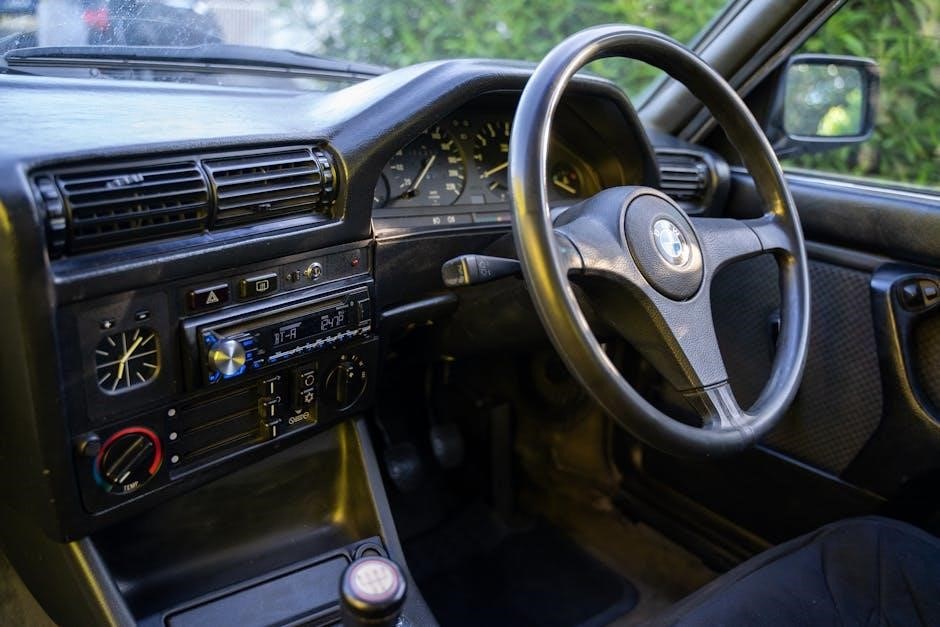
manual steering cars
Manual Steering Cars: A Comprehensive Overview (as of 03/26/2026)
Manual steering, the earliest automotive technology, directly links the steering wheel to the wheels via a physical connection, representing a foundational milestone in automotive evolution․
What is Manual Steering?

Manual steering, often referred to as a mechanical steering system, represents the original form of automotive steering technology․ Unlike modern systems, it operates without hydraulic or electric assistance․ This means the driver’s physical effort is solely responsible for turning the vehicle’s wheels․
Essentially, manual steering transmits the rotational motion initiated at the steering wheel directly to the wheels through a series of mechanical linkages․ This direct connection provides a raw and unfiltered feel for the road, allowing drivers to experience the vehicle’s response intimately․ The system relies on a physical connection – a steering wheel, column, gearbox, and linkages – to translate input into directional change․
While largely superseded by power steering in contemporary vehicles, manual steering remains relevant, particularly in classic cars and certain motorsport applications, offering a unique driving experience focused on driver input and feedback․ It’s a system rooted in simplicity and direct mechanical operation․
Historical Context of Manual Steering Systems
Manual steering dominated the automotive landscape from the very inception of automobiles well into the mid-20th century․ Early vehicles, lacking the technology for assisted steering, relied entirely on the driver’s strength and mechanical advantage to maneuver․ This system was the standard for decades, evolving gradually with improvements in manufacturing and component design․
As automobiles became heavier and engines more powerful, the physical demands of manual steering increased significantly․ Drivers, particularly in larger vehicles, faced considerable effort, especially during low-speed maneuvers or parking․ This challenge spurred the development of power steering systems as a solution to reduce driver fatigue․
Despite the rise of power steering, manual steering didn’t disappear entirely․ It continued to be utilized in smaller, lighter vehicles where the effort required was manageable, and it found a niche among enthusiasts valuing the direct connection and feedback it provided․ It remains a testament to the early ingenuity of automotive engineering․
Core Components of a Manual Steering System
A manual steering system, at its heart, is a carefully orchestrated series of mechanical components working in unison․ The foundational element is the steering wheel, initiating the driver’s input․ This rotational force travels down the steering column, a shaft connecting the wheel to the steering gearbox – the central processing unit of the system․
The gearbox, often a recirculating ball or worm and sector type, translates the rotational motion into a linear force․ This force is then transmitted through linkages and tie rods, connecting the gearbox to the vehicle’s wheels․ These rods ensure that the wheels turn in the desired direction, responding directly to the driver’s steering input․
Crucially, there are no hydraulic pumps, power cylinders, or electronic controls involved; it’s a purely mechanical connection․ Each component’s precision and condition directly impact the steering feel and responsiveness, demanding regular inspection and maintenance․
Steering Wheel and Steering Column Functionality
The steering wheel serves as the primary interface between the driver and the vehicle’s steering mechanism․ Rotating the wheel initiates the entire steering process, directly translating the driver’s intention into mechanical action․ Connected directly to the steering column, this rotational motion is then transferred downwards towards the steering gearbox․
The steering column isn’t merely a connecting rod; it’s a carefully engineered shaft designed to transmit torque efficiently while maintaining structural integrity․ It often incorporates universal joints to accommodate angles and ensure smooth operation․ Its length and design are crucial for optimal leverage and driver comfort․
In a manual system, there’s no assistance – the driver’s muscle power is the sole source of energy․ Therefore, the ratio between steering wheel rotation and wheel turning is a critical factor influencing steering effort and responsiveness․ A lower ratio means less wheel rotation for a given turn, but requires more effort․
The Steering Gearbox: Types and Operation
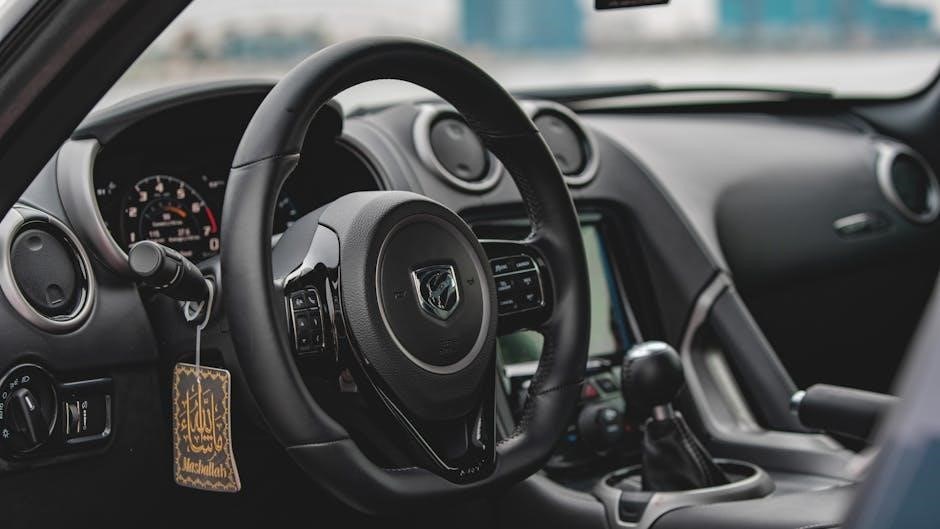
The steering gearbox is the heart of a manual steering system, converting the rotational motion from the steering column into the linear motion needed to turn the wheels․ Several types exist, but common designs include the worm and sector, and the rack and pinion․ The worm and sector utilizes a worm gear meshing with a sector, providing high gear reduction for easier steering, albeit with more friction․
Rack and pinion gearboxes, increasingly popular, offer a more direct feel and reduced friction․ The pinion gear engages with a toothed rack, translating rotation into linear movement․ Regardless of the type, the gearbox’s ratio determines the steering effort and responsiveness․
Operationally, as the steering wheel turns, the gearbox’s internal mechanism pushes or pulls on the pitman arm (in worm and sector) or directly moves the rack (in rack and pinion), initiating the turning of the vehicle’s wheels through linkages․
Linkages and Tie Rods Explained
Following the steering gearbox, a series of linkages and tie rods transmit the steering force to the wheels․ These components ensure precise and coordinated wheel movement․ The pitman arm, connected to the steering gearbox, converts rotational motion into linear motion, pushing and pulling on the centerlink․
The centerlink then connects to the tie rods, which are crucial for transferring the steering input directly to the steering knuckles on each wheel․ Tie rods consist of an inner and outer section connected by a ball joint, allowing for articulation as the suspension moves․
Proper alignment of these linkages is paramount; even slight misadjustments can cause steering issues like uneven tire wear or a pull to one side․ Regular inspection and adjustment of these components are vital for maintaining optimal steering performance and vehicle safety in a manual steering system․
How Manual Steering Differs from Power Steering
Manual steering relies entirely on the driver’s physical strength to overcome the resistance of the wheels, while power steering utilizes hydraulic or electric assistance to significantly reduce this effort․ Manual systems transmit rotational motion through a direct physical connection, demanding more exertion, especially at lower speeds or during parking maneuvers․
Power steering, developed on the basis of manual steering, adds a power assist unit – typically a pump driven by the engine or an electric motor – to amplify the driver’s input․ This assistance makes steering lighter and more manageable․
Consequently, manual steering offers a more direct “feel” for the road, providing greater feedback to the driver, whereas power steering can sometimes feel isolated․ While most modern vehicles prioritize the convenience of power steering, manual steering remains a viable option, particularly for enthusiasts seeking a more connected driving experience․
The Physical Effort Required in Manual Steering
Manual steering demands considerably more physical exertion from the driver compared to power-assisted systems․ The driver must directly overcome the resistance generated by the tires and the vehicle’s weight to initiate and maintain a turn․ This effort is most noticeable at lower speeds, such as during parking or navigating tight spaces, where leverage is reduced․
The amount of force needed varies based on factors like tire size, vehicle weight, and road conditions․ Larger tires and heavier vehicles naturally require greater steering effort․ Drivers may experience increased muscle fatigue during extended periods of driving, particularly in stop-and-go traffic․
However, this direct connection also provides a more tactile and engaging driving experience, allowing drivers to feel the road and respond accordingly․ While demanding, the physical effort is a core characteristic of the manual steering experience․
Advantages of Manual Steering
Manual steering systems offer several distinct advantages, despite requiring more driver effort․ A primary benefit is their inherent simplicity and reliability․ With fewer components than power steering, there are fewer potential points of failure, leading to increased dependability over time․ This simplicity also translates to lower maintenance costs, as there are no pumps, hoses, or fluid reservoirs to service or replace․
Furthermore, manual steering provides an enhanced road feel and driver connection․ The direct mechanical linkage transmits more feedback from the road surface, allowing drivers to better sense traction and vehicle behavior․ This heightened awareness can contribute to a more engaging and controlled driving experience, particularly appreciated by automotive enthusiasts․
These systems represent a representative, foundational element in automotive development, offering a unique driving dynamic․
Enhanced Road Feel and Driver Connection
Manual steering excels in providing a direct and unfiltered connection between the driver and the road․ Unlike power steering systems that can dampen feedback, a manual setup transmits nuanced information about the road surface directly through the steering wheel․ This allows drivers to keenly sense changes in traction, road imperfections, and the vehicle’s overall grip levels․
This heightened sensitivity fosters a more intuitive driving experience, enabling quicker and more precise responses to varying road conditions․ Drivers can better anticipate vehicle behavior and make more informed steering adjustments, leading to increased control and confidence․ The absence of hydraulic assistance means every subtle shift and nuance is felt, creating a truly immersive experience․
This direct link is highly valued by enthusiasts seeking a more engaging and connected driving dynamic․

Simplicity and Reliability of Manual Systems
Manual steering systems stand out due to their inherent simplicity, a characteristic directly contributing to their exceptional reliability․ With fewer components compared to power steering – notably lacking pumps, hoses, and hydraulic fluid – there are significantly fewer potential points of failure․ This streamlined design translates to reduced maintenance needs and a lower risk of breakdowns․
The absence of complex hydraulic systems also eliminates concerns related to fluid leaks, pump failures, and the degradation of hoses over time․ This simplicity makes manual steering particularly appealing for those prioritizing long-term dependability and minimizing repair costs․ The core mechanical linkage, while requiring periodic inspection and adjustment, is generally robust and long-lasting․
This inherent robustness makes manual steering a favored choice for classic car owners and those seeking a dependable system․
Lower Maintenance Costs Compared to Power Steering
Manual steering systems inherently offer significantly lower maintenance costs when contrasted with their power steering counterparts․ The core reason lies in the reduced complexity of the system; fewer components translate directly into fewer potential maintenance requirements and associated expenses․ Power steering systems necessitate regular fluid checks, potential pump replacements, hose inspections, and leak repairs – costs entirely avoided with a manual setup․

The absence of hydraulic components eliminates the need for specialized fluids and the labor associated with flushing and refilling the system․ While manual steering systems still require periodic lubrication of moving parts and occasional linkage adjustments, these tasks are generally simpler and less expensive than addressing issues within a power steering system․
This cost-effectiveness makes manual steering an attractive option for budget-conscious vehicle owners and enthusiasts․

Disadvantages of Manual Steering
Manual steering, while offering certain benefits, presents notable disadvantages, particularly concerning driver effort and vehicle handling․ The most significant drawback is the increased physical exertion required, especially during low-speed maneuvers like parking or navigating tight spaces․ This can lead to driver fatigue, particularly on longer journeys or in vehicles with heavier steering loads․
Furthermore, manual steering systems can be challenging to operate with larger tires or on vehicles with substantial weight․ The increased leverage required to turn the wheels becomes considerably more demanding, potentially compromising control and responsiveness․ Modern vehicles, often equipped with larger tires for aesthetic or performance reasons, can exacerbate this issue․
Compared to the ease of use provided by power steering, manual systems demand greater strength and can be less forgiving, potentially impacting driving comfort and convenience․
Increased Driver Fatigue, Especially at Low Speeds
Manual steering inherently demands greater physical effort from the driver, and this is most pronounced at lower speeds․ Maneuvering a vehicle with a manual steering system during parking, navigating city traffic, or performing three-point turns requires significantly more muscle power compared to power-assisted systems․
The lack of hydraulic or electric assistance means the driver must overcome the full resistance of the steering mechanism, leading to quicker muscle fatigue․ Prolonged exposure to this increased effort can result in discomfort, reduced concentration, and ultimately, driver fatigue, especially during extended periods of low-speed operation․
This fatigue isn’t merely physical; it can also contribute to mental strain as the driver consciously focuses on exerting the necessary force to control the vehicle․ The constant physical demand detracts from overall driving enjoyment and can impact reaction times․
Challenges with Larger Tires and Vehicle Weight
Manual steering systems face considerable challenges when paired with larger tires or heavier vehicles․ The fundamental principle of manual steering – direct mechanical linkage – means that increased tire size and vehicle weight directly translate to increased steering effort․
Larger tires have a greater rolling resistance and require more force to initiate and maintain turning․ Similarly, a heavier vehicle presents a greater inertial resistance, demanding more muscular exertion from the driver to overcome․ This combination can render manual steering exceptionally difficult, particularly at low speeds or during parking maneuvers․
Modifying a vehicle with manual steering to accommodate larger tires or a significant weight increase often necessitates substantial reinforcement of the steering components to prevent premature wear or failure․ Without these modifications, the system can become overly strained, compromising both steering precision and driver safety․
Common Issues with Manual Steering Systems
Manual steering systems, while simple, are prone to specific issues over time․ Steering gearbox wear is a frequent concern, manifesting as increased play in the steering wheel and imprecise directional control․ Regular adjustment can temporarily mitigate this, but eventual replacement is often necessary․
Linkage problems, including worn tie rod ends or ball joints, contribute to wandering steering and uneven tire wear․ These components require periodic inspection and lubrication, and ultimately, replacement․ Proper wheel alignment is crucial; misalignment exacerbates wear on steering and suspension parts, leading to further issues․
Corrosion, particularly in older vehicles, can seize steering components, increasing resistance and potentially causing complete failure․ Consistent maintenance, including cleaning and lubrication, is vital to prevent these problems and ensure safe operation of the manual steering system․
Steering Gearbox Wear and Adjustment
Steering gearbox wear is a common ailment in manual steering systems, resulting in noticeable play within the steering wheel and diminished precision in vehicle control․ This wear stems from the constant friction and stress on internal components like gears and bearings over extended use․
Adjustment of the steering gearbox can temporarily alleviate some of this play․ This typically involves tightening an adjustment screw to reduce internal clearances․ However, adjustment is a temporary fix; it doesn’t address the underlying wear․ Excessive wear necessitates gearbox replacement․
Identifying wear involves checking for excessive steering wheel free play and listening for clunking noises during steering maneuvers․ Regular inspection is crucial․ Ignoring gearbox wear compromises handling and safety, potentially leading to unpredictable vehicle behavior and increased maintenance costs down the line․
Linkage Problems and Alignment Issues
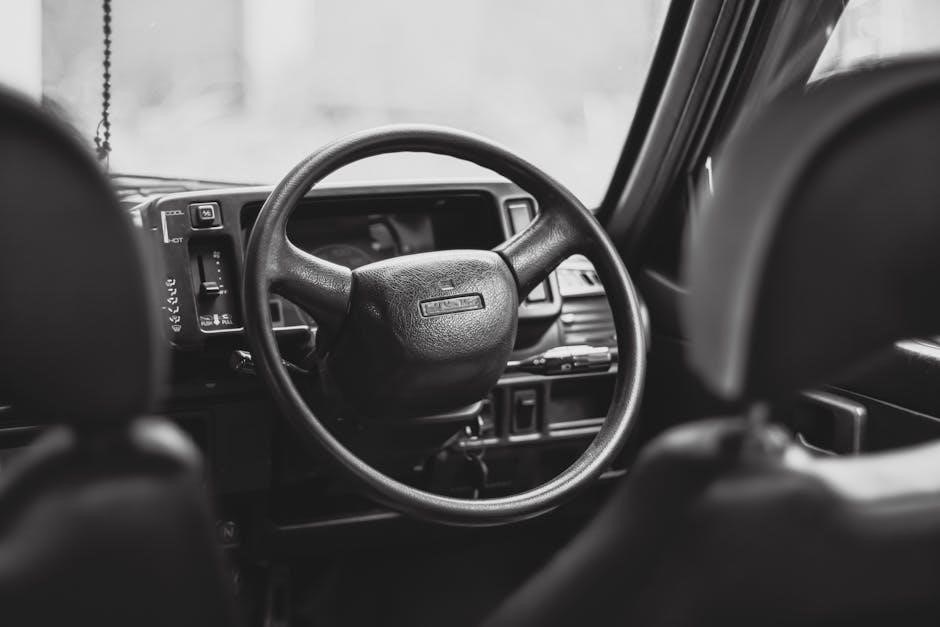
Linkage problems within a manual steering system frequently manifest as imprecise steering, wandering, or uneven tire wear․ These issues arise from wear or damage to components like tie rods, ball joints, and idler arms – all crucial for translating steering wheel input to wheel movement․
Alignment issues are often intertwined with linkage problems․ Even minor deviations in alignment angles (toe, camber, caster) can significantly impact steering feel and tire longevity․ Worn linkage exacerbates these alignment problems, creating a vicious cycle․
Symptoms include steering wheel vibration, pulling to one side, and squealing tires․ Regular inspection of linkage components for play and damage is vital․ Proper wheel alignment, performed after addressing any linkage issues, is essential for restoring optimal handling and preventing premature tire wear, ensuring safe vehicle operation․
Modern Applications and Enthusiast Appeal
Despite the prevalence of power steering, manual steering retains a niche but dedicated following, particularly among classic car owners and motorsports enthusiasts․ Its simplicity and direct connection to the road offer a driving experience increasingly absent in modern vehicles․

In classic cars, maintaining original manual steering systems is often a point of pride, preserving the vehicle’s authentic character․ For motorsports, especially in certain racing classes, manual steering is favored for its lighter weight and reduced complexity, contributing to improved vehicle balance and responsiveness․
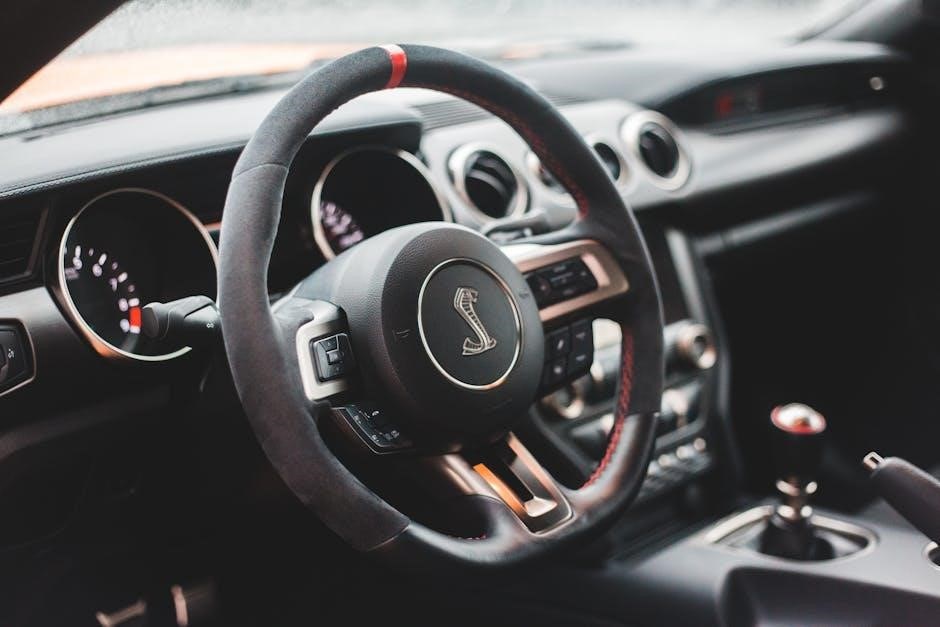
Enthusiasts appreciate the enhanced road feel and the increased driver engagement that manual steering provides․ While requiring more physical effort, it delivers a purer, more tactile driving experience, fostering a stronger connection between driver and machine․ This appeal ensures its continued relevance․
Manual Steering in Classic Cars and Motorsports
Classic car restoration frequently prioritizes maintaining original manual steering systems, valuing authenticity and a vintage driving feel․ Owners often seek to preserve the original mechanical linkage, appreciating the direct connection to the vehicle’s history and engineering․

In motorsports, manual steering finds application in racing classes where weight reduction and simplicity are paramount․ Its lighter weight compared to power steering systems contributes to improved vehicle handling and responsiveness on the track․ The direct feedback allows drivers to precisely sense road conditions․
The absence of hydraulic assistance in both scenarios demands greater driver skill and physical exertion, but many enthusiasts embrace this challenge․ It fosters a more immersive and engaging driving experience, appealing to those who prioritize feel and control over convenience․