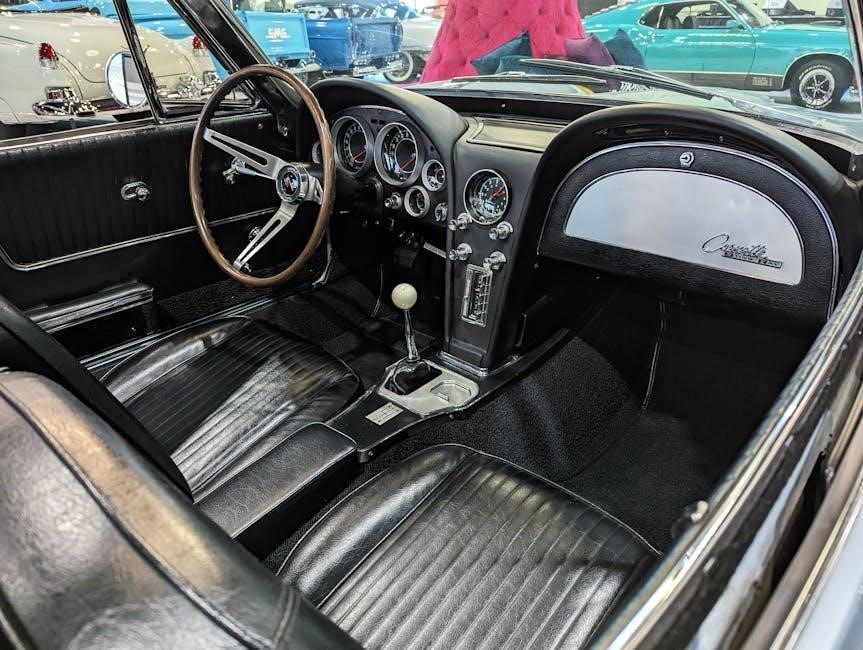
chevrolet 3 speed manual transmission
Chevrolet 3-Speed Manual Transmission: A Comprehensive Overview
Chevrolet enthusiasts actively discuss models and updates on dedicated forums‚ sharing knowledge about classic trucks and the latest Chevrolet news‚ including Silverado and Corvette details.
Historical Context & Origins
Chevrolet’s initial forays into manual transmissions mirrored the broader automotive industry’s early adoption of standardized shifting. The three-speed manual emerged as a practical and robust solution for controlling engine power in the mid-20th century. Early Chevrolet models‚ like those from the 1950s‚ heavily relied on these transmissions due to their simplicity and affordability.
As automotive technology evolved‚ so did the demand for smoother and more efficient gear changes. However‚ the three-speed remained a staple‚ particularly in work trucks and budget-friendly cars. Online forums demonstrate continued interest in these transmissions‚ reflecting a nostalgic connection to Chevrolet’s automotive heritage and a desire for straightforward mechanical operation.
Early Implementations (1950s-1960s)
During the 1950s and 60s‚ Chevrolet integrated the three-speed manual transmission into iconic models like the Bel Air and early Camaro iterations; These transmissions were often paired with inline-six and small-block V8 engines‚ providing a reliable power transfer for the era. The simplicity of the design made them relatively easy to manufacture and maintain‚ contributing to their widespread use.
Early implementations featured non-synchronized first gear‚ requiring skilled drivers to “double-clutch” during downshifts. Enthusiast forums highlight the challenges and rewards of mastering this technique. These early Chevrolet transmissions represent a foundational element of classic car ownership and restoration.
Popularity in Chevrolet Models
The Chevrolet three-speed manual transmission found broad acceptance across numerous models‚ notably the C10 pickup trucks throughout the 1960s and 70s. Its affordability and durability made it a standard offering in many base-level trims. Online Chevrolet forums demonstrate continued interest from owners of these vehicles‚ seeking advice on maintenance and restoration.
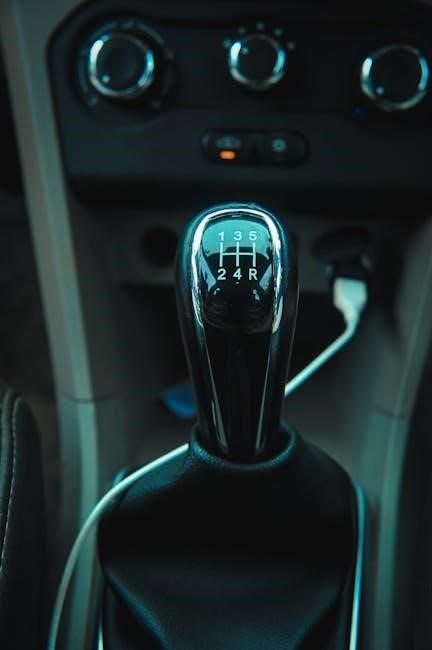
Even with the introduction of more advanced transmissions‚ the three-speed remained popular for its simplicity. Discussions within enthusiast communities reveal a preference for its direct feel and ease of repair‚ solidifying its place in Chevrolet history.
Mechanical Components & Operation
The Chevrolet three-speed manual operates through a system of gears‚ shafts‚ and synchronizers housed within a robust cast-iron case. The driver controls gear selection via a shift linkage connected to the gear selector. Internal components transfer power from the engine to the driveshaft‚ enabling different speed ratios.
Proper function relies on precise engagement of gears‚ facilitated by synchronizers. Enthusiast forums frequently discuss troubleshooting shift linkage issues and maintaining optimal operation. Understanding these core mechanics is crucial for owners undertaking repairs or restorations.
Gear Ratios and Their Purpose
Chevrolet’s three-speed transmissions utilize specific gear ratios to balance power and speed. A lower first gear provides increased torque for acceleration and hill climbing‚ while second gear offers a mid-range for flexible driving. The higher third gear is designed for efficient cruising at highway speeds‚ reducing engine RPMs.
Selecting the appropriate ratio depends on driving conditions. Enthusiasts often modify gear ratios to suit their preferences – lower ratios for performance‚ higher for fuel economy. Understanding these ratios is key to optimizing the driving experience.
Synchronizer Mechanisms Explained
Chevrolet’s 3-speed manual transmissions employ synchronizer mechanisms to smoothly engage gears. These components match the speed of the gear being selected to the output shaft’s speed‚ preventing grinding and ensuring a seamless shift. They utilize friction cones and blocking rings to achieve this synchronization.
Worn synchronizers are a common issue‚ leading to difficulty shifting‚ especially into certain gears. Proper lubrication and careful driving habits are crucial for extending their lifespan. Rebuilding often involves replacing these components to restore optimal performance.
Shift Linkage and Control Systems
Chevrolet’s 3-speed manual transmissions utilize a shift linkage system connecting the gear selector to the transmission itself. This system typically involves rods‚ levers‚ and pivot points‚ translating driver input into gear changes. Proper adjustment is vital for precise and effortless shifting.
Issues like worn bushings or bent linkage components can cause imprecise shifting or difficulty selecting gears. Online Chevrolet forums often provide guidance on diagnosing and correcting these problems. Maintaining a smooth and responsive shift feel relies on a well-maintained linkage system.
Identifying a Chevrolet 3-Speed Transmission
Chevrolet 3-speed manual transmissions can be identified through several methods. Examining case markings and identification numbers stamped onto the transmission housing is a primary step. These codes often reveal the specific model and manufacturing date. Visual inspection also helps differentiate between various versions.
Enthusiast forums are valuable resources for decoding these numbers and understanding the subtle differences between models. Knowing the vehicle’s original configuration‚ as determined by the VIN‚ aids in accurate identification. Correct identification is crucial for sourcing appropriate parts and ensuring compatibility during repairs.
Case Markings and Identification Numbers
Chevrolet 3-speed transmissions feature case markings and identification numbers vital for accurate identification. These alphanumeric codes are typically stamped directly onto the transmission case‚ often near the bellhousing or on a designated pad. Decoding these numbers requires referencing Chevrolet parts manuals or online resources frequented by enthusiasts;
The markings often indicate the transmission’s model‚ manufacturing date‚ and potentially the assembly plant. VIN decoding‚ alongside these case markings‚ provides a comprehensive understanding of the original equipment. Online forums dedicated to Chevrolet vehicles are excellent sources for deciphering these codes.
Visual Differences Between Models
Chevrolet’s 3-speed manual transmissions exhibit subtle yet crucial visual distinctions between different iterations. Early models often feature a more rounded case design‚ while later versions showcase a boxier appearance. The length of the input and output shafts can vary‚ impacting compatibility with specific engines and vehicles.
Furthermore‚ the presence or absence of certain mounting points‚ or variations in the shifter linkage attachment points‚ serve as key identifiers. Enthusiast forums frequently showcase detailed photographs comparing these visual cues‚ aiding in accurate identification. Careful observation of these details is essential for restoration projects.
Common Problems & Troubleshooting
Chevrolet 3-speed manuals‚ while robust‚ are prone to specific issues with age. Worn synchronizers manifest as grinding during shifts‚ requiring inspection and potential replacement. Shift linkage problems‚ often stemming from worn bushings or adjustments‚ result in imprecise gear selection. Clutch issues‚ like slippage or incomplete engagement‚ directly impact 3-speed operation.
Troubleshooting involves checking fluid levels‚ inspecting linkage components‚ and assessing clutch functionality. Online forums provide valuable diagnostic guidance from experienced owners. Addressing these common problems promptly prevents further damage and restores smooth shifting performance.
Worn Synchronizers – Symptoms & Solutions
Chevrolet 3-speed transmissions exhibit worn synchronizer symptoms as grinding noises when shifting‚ particularly into second or third gear. Difficulty engaging gears smoothly‚ and a double-clutching necessity‚ also indicate wear. These components equalize shaft speeds before engagement‚ and failure causes harsh shifts.
Solutions range from adjusting the clutch for improved engagement to a complete transmission rebuild. Replacing worn synchronizers requires disassembly‚ inspection‚ and careful reassembly. Online forums offer detailed guides‚ but professional assistance is recommended for complex repairs‚ ensuring proper function and longevity.
Shift Linkage Issues & Adjustments
Chevrolet 3-speed manual transmissions can develop shift linkage problems‚ manifesting as imprecise shifts or difficulty selecting certain gears. Loose or worn linkage components contribute to this‚ creating excessive play. Adjustments are often possible‚ involving tightening connections and ensuring proper alignment.
Inspect the linkage for wear‚ damage‚ or missing parts. Online Chevrolet forums provide guidance on adjustment procedures‚ often involving threaded rods and adjustment points. Careful attention to detail is crucial for accurate shifting. If adjustments fail‚ component replacement may be necessary to restore smooth‚ reliable gear changes.
Clutch Problems Affecting 3-Speed Operation
Chevrolet 3-speed manual transmissions rely heavily on a properly functioning clutch. Issues like a worn clutch disc‚ a failing throw-out bearing‚ or a malfunctioning master/slave cylinder significantly impact shifting. Symptoms include slipping‚ difficulty engaging gears‚ and a spongy pedal feel.
Troubleshooting involves inspecting the clutch linkage and hydraulic system. Chevrolet forums offer diagnostic tips and repair advice. A failing clutch can make smooth operation impossible‚ even with a well-adjusted transmission. Complete clutch replacement is often required‚ demanding careful attention to alignment and torque specifications.
Rebuilding a Chevrolet 3-Speed Transmission
Chevrolet 3-speed transmission rebuilding demands meticulous attention to detail. Disassembly requires careful labeling of parts for correct reassembly. Thorough inspection of gears‚ bearings‚ and synchronizers is crucial‚ identifying wear or damage. Replacing worn components is essential for reliable operation.
Reassembly necessitates proper lubrication and precise adjustment of clearances. Chevrolet enthusiasts often share detailed guides and tips on online forums. Accurate torque specifications are vital to prevent future failures. A successful rebuild restores the transmission to its original performance‚ ensuring smooth shifting and longevity.
Disassembly Procedures
Chevrolet 3-speed transmission disassembly begins with draining the fluid and removing the driveshaft. Detach the shift linkage and speedometer cable‚ carefully noting their positions. Remove the transmission mounting crossmember and support the unit safely. Separate the bellhousing from the engine‚ then carefully lower the transmission.
Begin disassembling the case‚ labeling all parts meticulously. Remove the tailshaft housing‚ gears‚ and synchronizers in a logical order. Inspect each component for wear or damage during removal. Chevrolet forums offer detailed step-by-step guides and photos to aid this process.
Inspection of Components
Chevrolet 3-speed transmission components require thorough inspection after disassembly. Examine gears for chipped‚ worn‚ or cracked teeth‚ paying close attention to the high-contact areas. Check synchronizer rings for wear and scoring‚ as these directly impact shift quality. Inspect bearings for smoothness and any signs of pitting or corrosion.
Carefully assess the shift forks for bending or damage. The case itself should be checked for cracks or stripped threads. Chevrolet enthusiasts often share inspection checklists on forums‚ detailing critical areas to scrutinize for potential issues before reassembly.
Reassembly and Adjustment
Chevrolet 3-speed transmission reassembly demands meticulous attention to detail. Apply fresh lubricant to all moving parts during installation. Ensure proper gear mesh and bearing seating. Adjust endplay within Chevrolet’s specified tolerances using shims as needed. Precise shift linkage adjustment is crucial for smooth operation; consult factory manuals or Chevrolet forums for guidance.
Verify synchronizer function and proper engagement. Double-check all fasteners for correct torque specifications. Thorough testing after reassembly is vital to confirm proper shifting and eliminate any unwanted noises‚ ensuring a reliable driving experience.
Fluid Types and Maintenance

Chevrolet 3-speed manual transmissions require specific gear oil for optimal performance and longevity. Historically‚ many used 80W-90 gear oil‚ but modern synthetic alternatives offer improved protection. Regular fluid changes are paramount; Chevrolet recommends intervals between 30‚000 and 50‚000 miles‚ depending on driving conditions.
Inspect for leaks during each change. Using the correct fluid prevents premature wear of gears and synchronizers. Chevrolet enthusiasts often discuss fluid preferences on online forums‚ highlighting the benefits of synthetic options for classic vehicles.
Recommended Gear Oil Specifications
Chevrolet typically recommends GL-3 gear oil for its 3-speed manual transmissions‚ ensuring compatibility with the yellow metal components. Viscosity grades of 80W-90 are common‚ suitable for a wide range of climates. However‚ modern synthetic 75W-90 GL-3 oils provide superior cold-weather performance and shear stability.
Avoid GL-5 oils unless specifically recommended‚ as they can corrode brass synchronizers. Chevrolet forums frequently discuss the benefits of Red Line MT-90‚ a popular synthetic choice. Always verify the API service classification and SAE viscosity grade for optimal results.
Fluid Change Intervals
Chevrolet doesn’t provide strict‚ fixed intervals for 3-speed manual transmission fluid changes in older vehicle documentation. However‚ a general guideline suggests changing the gear oil every 30‚000 to 50‚000 miles‚ or approximately every two to three years‚ depending on driving conditions.
Severe usage‚ like frequent towing or spirited driving‚ necessitates more frequent changes – perhaps every 20‚000 to 30‚000 miles. Chevrolet forum discussions highlight the importance of inspecting the fluid’s condition; if it appears dirty or metallic‚ change it immediately.
Applications in Classic Chevrolet Vehicles
Chevrolet’s reliable 3-speed manual transmission found widespread use in iconic vehicles. The 1955-1957 Chevrolet Bel Air frequently featured this transmission‚ offering a durable and simple driving experience. Early Chevrolet Camaro models‚ particularly the first generation‚ also utilized it‚ providing accessible performance.
Furthermore‚ the Chevrolet C10 pickup trucks of the 1960s and 70s commonly employed this gearbox‚ known for its robustness in work applications. Online Chevrolet forums demonstrate continued enthusiasm for these classic vehicles and their transmissions.
Chevrolet Bel Air (1955-1957)
Chevrolet Bel Air models from 1955 to 1957 often featured the dependable 3-speed manual transmission as a standard or optional equipment choice. This transmission provided a straightforward and engaging driving experience‚ perfectly complementing the Bel Air’s iconic style and comfortable ride.
Enthusiasts on Chevrolet forums frequently discuss the originality and restoration of these transmissions within Bel Airs. The 3-speed’s simplicity made it relatively easy to maintain‚ contributing to the longevity of these classic cars. It remains a popular choice for those seeking an authentic vintage feel.
Chevrolet Camaro (First Generation)
Chevrolet Camaro’s first generation (1967-1969) commonly offered the 3-speed manual transmission‚ particularly in base models and those focused on affordability. While the 4-speed became more popular with performance-oriented buyers‚ the 3-speed provided a reliable and economical option for everyday driving.
Online Chevrolet communities and forums showcase restorations and discussions surrounding these early Camaro transmissions. Owners often share tips on identifying original components and addressing common issues. The 3-speed remains a viable choice for maintaining a classic Camaro’s original character.
Chevrolet C10 Pickup Trucks (1960s-1970s)

Chevrolet C10 pickup trucks from the 1960s and 70s frequently featured the durable 3-speed manual transmission‚ making it a workhorse for many owners. It was a standard offering‚ valued for its simplicity and robustness in hauling and daily use. These trucks‚ popular for restoration‚ often retain their original transmissions.
Enthusiast forums dedicated to Chevrolet and GMC trucks provide a wealth of information regarding C10 transmission maintenance and repair. Discussions cover identifying parts‚ troubleshooting issues‚ and preserving the original functionality of these classic pickups.
Performance Modifications & Upgrades
Chevrolet 3-speed manual transmissions can receive performance enhancements‚ though options are limited compared to modern gearboxes. Swapping gear ratios allows tailoring the truck’s performance to specific driving styles – lower ratios for increased torque and acceleration‚ higher ratios for improved highway cruising.
Upgrading synchronizers‚ when available‚ can improve shifting smoothness and reduce wear. Online Chevrolet forums are valuable resources for discussing these modifications and sourcing parts. However‚ significant performance gains are often realized through engine upgrades rather than extensive transmission work.
Gear Ratio Swaps for Different Driving Styles
Chevrolet 3-speed transmissions offer limited gear ratio choices‚ but swapping can significantly alter vehicle behavior. Lower (numerically higher) ratios‚ like 3.73 or 4.10‚ boost acceleration and towing capacity‚ ideal for off-road or work applications. These ratios demand more engine RPM at highway speeds.
Higher (numerically lower) ratios‚ such as 3.08‚ prioritize fuel economy and relaxed highway cruising. However‚ they may result in sluggish acceleration. Careful consideration of intended use is crucial when selecting a gear ratio. Chevrolet truck forums provide valuable insights from experienced owners.
Upgrading Synchronizers for Improved Shifting
Chevrolet 3-speed transmissions‚ particularly older units‚ often suffer from worn synchronizers‚ causing grinding during shifts. Upgrading to modern‚ improved synchronizers can dramatically enhance shift quality and reduce wear. Brass synchronizers are common‚ but bronze or carbon-lined options offer superior durability and friction.
This upgrade is especially beneficial for performance-oriented builds or vehicles frequently used for spirited driving. Chevrolet enthusiasts on online forums frequently discuss the benefits of various synchronizer materials. Proper installation and lubrication are vital for optimal performance and longevity.
Resources for Owners & Enthusiasts
Chevrolet owners and enthusiasts dedicated to the 3-speed manual transmission have numerous online resources available. Active Chevrolet forums‚ like Chevrolet Forum and truck-specific boards‚ provide a platform for sharing knowledge‚ troubleshooting‚ and locating parts. These communities are invaluable for restoration projects and technical assistance.
Several suppliers specialize in classic Chevrolet parts‚ offering rebuilt transmissions‚ individual components‚ and upgrade kits. Online resources also provide access to technical service bulletins (TSBs) related to manual transmissions‚ aiding in diagnosis and repair. VIN decoding tools help identify specific transmission configurations.
Chevrolet Forums and Online Communities
Chevrolet forums are vibrant hubs for 3-speed manual transmission enthusiasts. Chevrolet Forum‚ alongside dedicated truck forums focusing on Silverado and GMC Sierra models‚ offer extensive discussions. These platforms facilitate knowledge sharing‚ troubleshooting common issues‚ and locating rare parts. Members frequently post about restoration projects and performance upgrades.
These online communities provide a space to connect with experienced owners‚ ask questions‚ and access a wealth of information. Active participation can significantly aid in maintaining and restoring classic Chevrolet vehicles equipped with these transmissions‚ fostering a collaborative environment.
Parts Suppliers for 3-Speed Transmissions
Sourcing parts for Chevrolet’s 3-speed manual transmissions requires exploring specialized suppliers. While mainstream auto parts retailers may carry some components‚ dedicated classic Chevrolet restoration specialists are crucial. Online marketplaces often host vendors offering rebuilt transmissions‚ individual gears‚ synchronizers‚ and seals.
Enthusiast forums frequently list reputable suppliers and provide feedback on part quality and service. Locating vendors specializing in GMT400 truck parts can be beneficial for older models. Careful research and comparing prices are essential to ensure authenticity and reliability when procuring components for these classic transmissions.
Technical Service Bulletins (TSBs) Related to Manual Transmissions
Chevrolet releases Technical Service Bulletins (TSBs) to address known issues with their vehicles‚ including manual transmissions. These bulletins provide technicians with diagnostic and repair procedures for common problems. Accessing these TSBs is vital for proper maintenance and repair of 3-speed transmissions.
Resources like dedicated websites allow searching for TSBs by vehicle make‚ model‚ and year. While older 3-speed transmissions may have fewer specific TSBs‚ related bulletins for similar manual transmissions can offer valuable insights. Staying informed about relevant TSBs ensures accurate diagnosis and effective solutions.
VIN Decoding for Transmission Identification
Chevrolet’s Vehicle Identification Number (VIN) system can offer clues about the original transmission equipped in a classic vehicle. While the VIN doesn’t directly specify the transmission type‚ it reveals production details and model information. Utilizing a Chevrolet VIN decoder is crucial for uncovering this data.
Decoding the VIN can identify the vehicle’s assembly plant and original engine‚ which often correlates with the factory-installed transmission. Online VIN decoders are readily available‚ providing a detailed report based on the 17-character VIN. This information aids in verifying the authenticity and original configuration of a 3-speed manual transmission.
Chevrolet News and Updates Regarding Transmissions
Chevrolet consistently provides updates and news concerning its vehicle lines‚ though specific details regarding the 3-speed manual transmission are limited in recent releases. Current focus centers on newer models like the Silverado and Corvette‚ with discussions revolving around performance and technological advancements.
Enthusiast forums remain a primary source for information on classic transmissions. Recent posts highlight Chevrolet’s commitment to innovation‚ alongside owner experiences and technical service bulletins (TSBs) related to various transmission systems. Staying informed through these channels is vital for owners and restorers.
Future of Manual Transmissions in Chevrolet Vehicles
Chevrolet’s future regarding manual transmissions appears focused on performance models like the Corvette‚ while broader adoption seems unlikely given the industry’s shift towards automatics and electric vehicles. The classic 3-speed manual‚ while beloved by enthusiasts‚ isn’t currently featured in new vehicle plans.
However‚ strong community engagement on Chevrolet forums demonstrates continued interest in preserving and restoring these transmissions. While direct factory support is limited‚ the aftermarket provides resources for maintenance and upgrades. The future relies on dedicated owners and parts availability.